
Serving Homeowners Across Pennsylvania
Chimney Sweep Spot is a trusted chimney sweep Pennsylvania homeowners rely on, connecting you with vetted, licensed local pros for chimney sweeping, Level 1-3 inspections, masonry repair, and chimney cap installation.
Pennsylvania winters bring heavy fireplace and wood-stove use across the state, so keeping your chimney clean and safe matters. Whether you use your fireplace daily through the winter or just want an annual safety check, our vetted technicians give you an honest assessment and upfront pricing before any work begins.
Signs You Need a Chimney Sweep in Pennsylvania
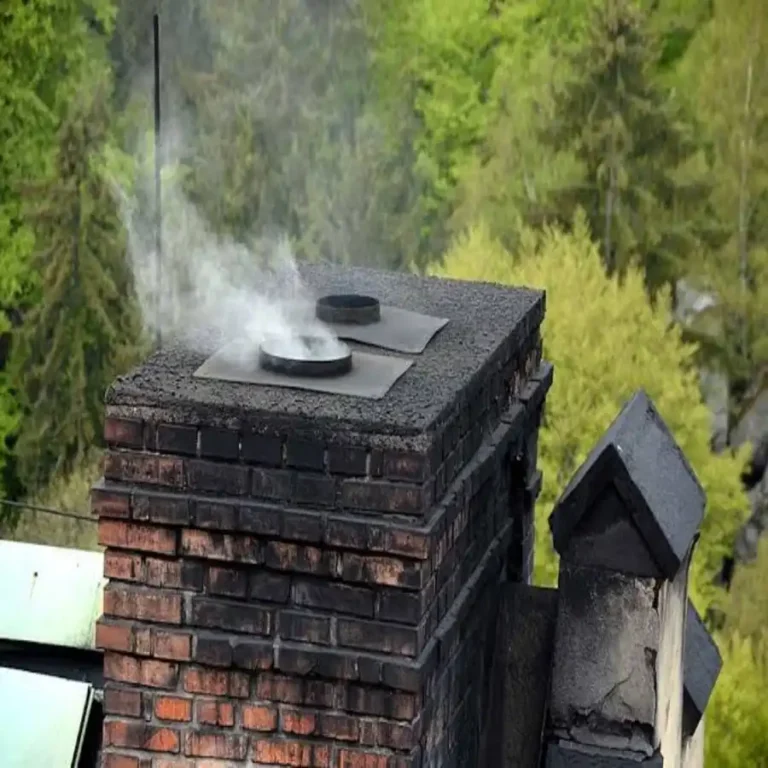
Not sure if it’s time to schedule a chimney sweep pennsylvania? Common warning signs include a strong smoky or creosote odor from the fireplace, visible soot or black flakes on the hearth, slow or poor draft when a fire is burning, and scratching sounds from birds or animals that may have nested in the flue.
Creosote buildup is the leading cause of chimney fires nationwide, and it forms every time you burn wood. A professional sweep removes it before it becomes a hazard, and a full inspection catches cracked flue liners, damaged mortar, and other issues early, before they turn into expensive repairs. Homeowners across Pennsylvania trust regular sweeping to protect their families and avoid costly damage down the road.
Services Available in Pennsylvania
Our chimney sweep pennsylvania team handles everything from routine sweeping to full masonry repair. See full details on our services page.
Cities We Serve in Pennsylvania
We’re actively building our local pro network in Pittsburgh first, with these additional Pennsylvania metro areas coming online soon:
Don’t see your city listed yet? Contact us to check availability in your area.
Pennsylvania Chimney Sweep FAQ
Do you serve all of Pennsylvania?
We’re expanding our vetted pro network across Pennsylvania, starting in Pittsburgh and surrounding areas, with more cities added regularly.
How much does a chimney sweep cost in Pennsylvania?
Pricing varies by home and service needed. Contact us for a free, no-obligation quote from a local Pennsylvania pro.
How often should I get my chimney swept in Pennsylvania?
The National Fire Protection Association recommends at least one inspection per year, and more frequent sweeping if you use your fireplace regularly through the winter.
Is chimney sweeping messy?
A professional chimney sweep pennsylvania technician uses drop cloths, tarps, and a HEPA-filtered vacuum to contain soot and debris, so your home stays clean throughout the service.
What does a chimney inspection include?
A standard inspection checks the flue lining, damper, smoke chamber, and firebox for damage, blockages, or creosote buildup, and confirms your chimney is structurally sound and safe to use.
Do I need a sweep if I rarely use my fireplace?
Yes. Even an unused chimney can develop blockages from nesting animals, debris, or moisture damage, so an annual check is still recommended even for occasional use.
What is the difference between a Level 1 and Level 2 inspection?
A Level 1 inspection covers the readily accessible parts of the chimney and is recommended for annual checkups. A Level 2 inspection is more thorough, using video scanning, and is required after a chimney fire, an appliance change, or before buying or selling a home.
How long does a chimney sweep appointment take?
Most residential chimney sweep and inspection appointments take between 45 minutes and 90 minutes, depending on the chimney type, its condition, and whether any additional repairs are identified during the visit.
Book Your Pennsylvania Chimney Sweep Today
Ready to book your chimney sweep pennsylvania appointment? Also serving other states nationwide — see our full service area list.
Call (740) 726-5789Pennsylvania Historic Homes Need Specialized Chimney Care
Philadelphia row homes are famous for their shared party-wall chimneys, where two neighboring houses vent through a single masonry structure. These narrow flues, many built in the 19th and early 20th centuries, were designed for coal and later converted to oil or gas. Decades of mixed fuel use leave behind acidic deposits that eat away at clay tile liners and mortar from the inside out. Pittsburgh tells a similar story, with its steep hillsides of century-old brick homes whose chimneys have weathered generations of harsh winters and industrial-era soot.
In Pennsylvania coal country around Scranton and Wilkes-Barre, chimneys face an extra challenge. Burning anthracite coal produces highly acidic flue gases that accelerate liner deterioration far faster than wood alone. Even homes that switched to gas years ago often still carry the hidden damage of their coal-burning past. If your Pennsylvania home is more than 50 years old, a camera inspection of the flue is the smartest first step before another heating season.
Common Chimney Problems We Fix Across Pennsylvania
Our vetted Pennsylvania pros most often repair deteriorated mortar joints and crumbling historic brickwork, cracked chimney crowns, and damaged flashing where the chimney meets the roof. Many Philadelphia and Pittsburgh homes still have slate roofs, and the flashing around the chimney base is a frequent source of leaks. We also find heavy creosote buildup in flues that served coal or wood for decades, plus animal nests blocking unused chimneys each spring.
Historic masonry needs a gentle touch. We repoint with mortar matched to the original, repair rather than replace sound brick, and add caps and waterproofing that protect without changing the character of your home. Call (740) 726-5789 today for a free quote from a vetted local pro. You will get an honest assessment and upfront pricing before any work begins.
Pennsylvania Chimney FAQs
My Philadelphia row home shares a chimney with my neighbor. What should I know?
Party-wall chimneys serve two homes through one masonry structure, so repairs often need coordination with your neighbor. Both flues should be inspected, because a damaged liner on one side can affect draft and safety on the other. We inspect both sides and explain shared maintenance clearly before any work begins.
Does burning coal damage chimneys faster than wood?
Yes. Coal produces acidic flue gases that attack clay liners and mortar far more aggressively than wood smoke. In Pennsylvania coal country we often find liners that look decades older than the house itself. If your home ever burned coal, a camera inspection is worth it even after switching fuels.
How do I protect a historic brick chimney in Pennsylvania?
Repoint with mortar matched to the original, never hard modern cement that traps moisture inside old brick. Add a quality cap, keep the flashing watertight, and consider breathable waterproofing. Annual inspections catch small issues before they threaten the character and structure of your historic home.