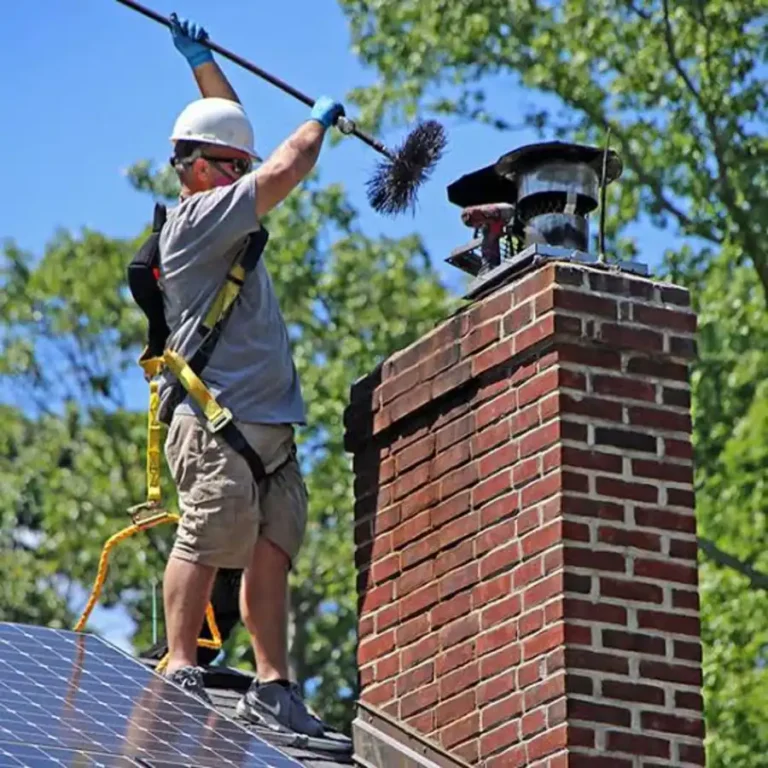
7 Signs Your Chimney Needs Cleaning Before Winter
Signs Your Chimney Needs Cleaning Before Winter is an important topic for any home with a fireplace or wood stove, because a clean, well-inspected flue helps a fire burn safely and draw properly.
Fall is the smartest time of year to think about your chimney. Heating season is weeks away, sweeps still have open appointments, and any problems found now can be fixed before the first cold snap — not during it. Fire safety groups recommend a chimney inspection at least once a year, and a cleaning whenever buildup demands it. Here are the seven signs your chimney is asking for attention.
Smoke spills into the room
A properly drafting chimney pulls smoke up and out. If smoke rolls back into the room when you light a fire, the flue may be blocked by creosote, debris, or even an animal nest. This is the clearest sign you need a sweep — and soon.
Strong or foul odors
A smoky, musty, or sour smell from the fireplace — especially on humid summer days — usually means creosote deposits, moisture, or organic debris inside the flue. Odors that linger are a signal the chimney hasn’t been cleaned in too long.
White staining on the masonry
White, chalky stains (efflorescence) on the outside of your chimney mean water is moving through the brickwork. Moisture breaks down mortar from the inside out, and a sweep can check whether the crown, cap, or flashing is letting water in.
Soot or debris falling into the firebox
Finding chunks of creosote, soot, or masonry debris in the fireplace is a direct warning. Flaky creosote buildup is fuel for a chimney fire, and falling debris can mean the flue liner is deteriorating.
Fires are hard to start or burn weakly
If fires that used to roar now smolder, struggle to catch, or die quickly, restricted airflow is a likely cause. A narrowed, soot-coated flue can’t draft properly — cleaning restores the draw.
The damper is stuck or hard to move
A damper that won’t open, won’t close, or grinds when you move it is often rusted or caked with creosote. A damper stuck shut is dangerous; one stuck open wastes heat all winter. Both deserve a professional look.
It’s been more than a year — or you can’t remember
The most common sign of all. If your last sweeping was over a year ago, or you genuinely can’t recall one, schedule it now. Creosote accumulates silently, and the risk grows with every fire you burn on top of it.
Why clean before winter, not during it
Sweeps book up fast once temperatures drop, and emergency winter appointments cost more and take longer to get. Cleaning in the fall also means any repairs — a new cap, repointing, a liner issue — get handled in good weather, before you actually need the fireplace.
What a professional chimney cleaning includes
A standard professional sweeping covers the flue interior, smoke chamber, and firebox; a visual inspection of the cap, crown, and flashing; and a report on anything that needs repair. Many sweeps also offer a camera scan of the flue for a closer look at the liner.
FAQs
How long does a chimney cleaning take?
u003cpu003eMost routine sweepings take 45 minutes to an hour and a half, depending on the chimney’s condition and height.u003c/pu003e
Will chimney cleaning make a mess in my house?
u003cpu003eA professional sweep uses drop cloths, vacuums, and containment — the work area should be left clean.u003c/pu003e
How much creosote is dangerous?
u003cpu003eAny glazed or thick buildup is a fire risk. As a rule of thumb, buildup around 1/8 inch or more calls for cleaning.u003c/pu003e
Do gas fireplaces need chimney cleaning too?
u003cpu003eGas fireplaces still need annual inspection — vents can block and components wear — though they don’t build creosote like wood burners.u003c/pu003e
When is the best month to schedule a u003ca href=u0022/chimney-sweep-florida/u0022u003echimney sweepu003c/au003e?
u003cpu003eLate summer through fall, before heating season demand peaks.u003c/pu003e
Call (740) 726-5789 to schedule your pre-winter chimney cleaning.
Signs Your Chimney Needs Cleaning Before Winter: safety notes and next steps
For general fireplace and chimney safety guidance, see the National Fire Protection Association (NFPA). Its safety advice is a useful check alongside a professional inspection, especially if you notice smoke, odours, poor draught, or heavy soot build-up. A professional visit usually checks the flue, cap, and flashing, looks for cracked liners and loose mortar, and removes soot and creosote that can catch fire inside the flue.
If you are planning work, explore our chimney sweep services and our service areas to see the help available in your area. See also our guide 7 Warning Signs You Need a Chimney Sweep for related warning signs.
As a practical rule, a signs your chimney needs cleaning before winter check once a year, before the main heating season, is a sensible starting point for many homes, with more frequent cleaning if you burn wood regularly or notice heavy build-up. Between visits, watch for white staining on masonry, rust on the damper or firebox, debris in the flue, and smoke entering the room. If any of those appear, stop using the fireplace and call (740) 726-5789 for advice and a free quote.
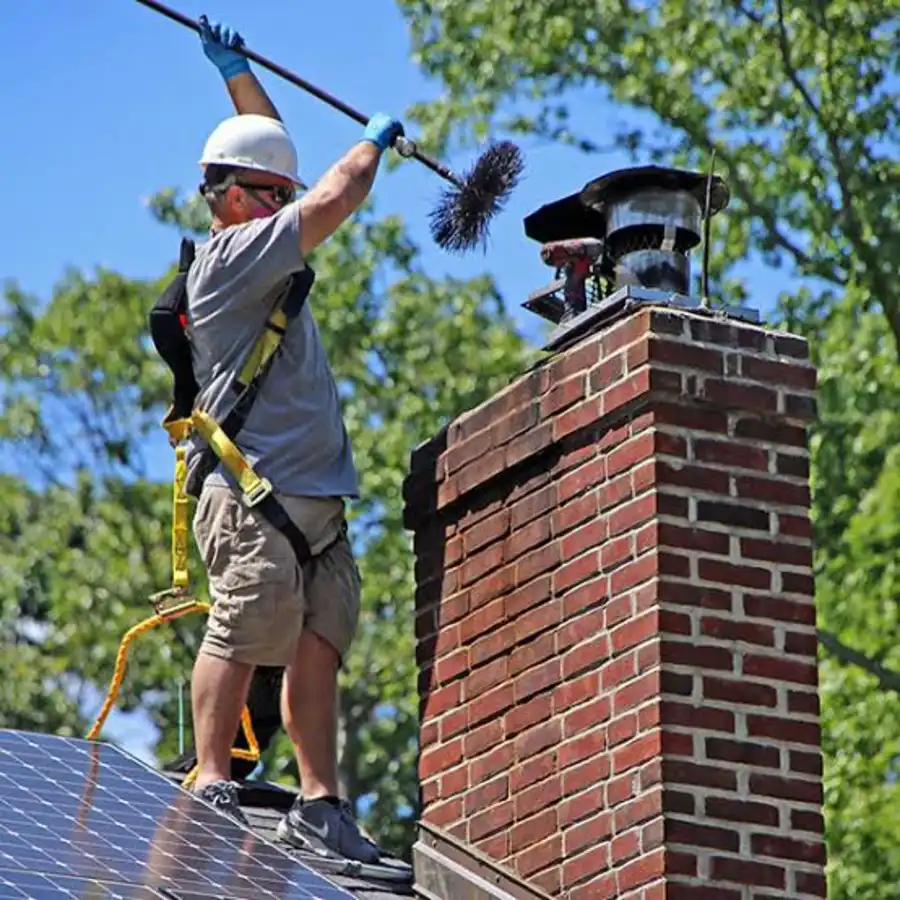
Spotting signs your chimney needs cleaning before winter early gives you time to book a sweep before demand peaks. A pre-winter signs your chimney needs cleaning before winter check covers the flue, cap, and damper, and a clean chimney burns more efficiently through the cold months. Call (740) 726-5789 to arrange that check.