Chimney Sweep vs. Chimney Inspection: What’s the Difference?
Chimney Sweep vs Chimney Inspection What’s The Difference is an important topic for any home with a fireplace or wood stove, because a clean, well-inspected flue helps a fire burn safely and draw properly.
The terms get used interchangeably, but a chimney sweep and a chimney inspection are two different services with two different purposes. A sweep removes soot and creosote buildup from the flue. An inspection evaluates the structural and mechanical condition of the entire chimney system — liner, crown, cap, flashing, and more. Knowing which one you’re asking for (and which one you actually need) keeps you from overpaying or, worse, skipping something important.
What a Chimney Sweep Includes
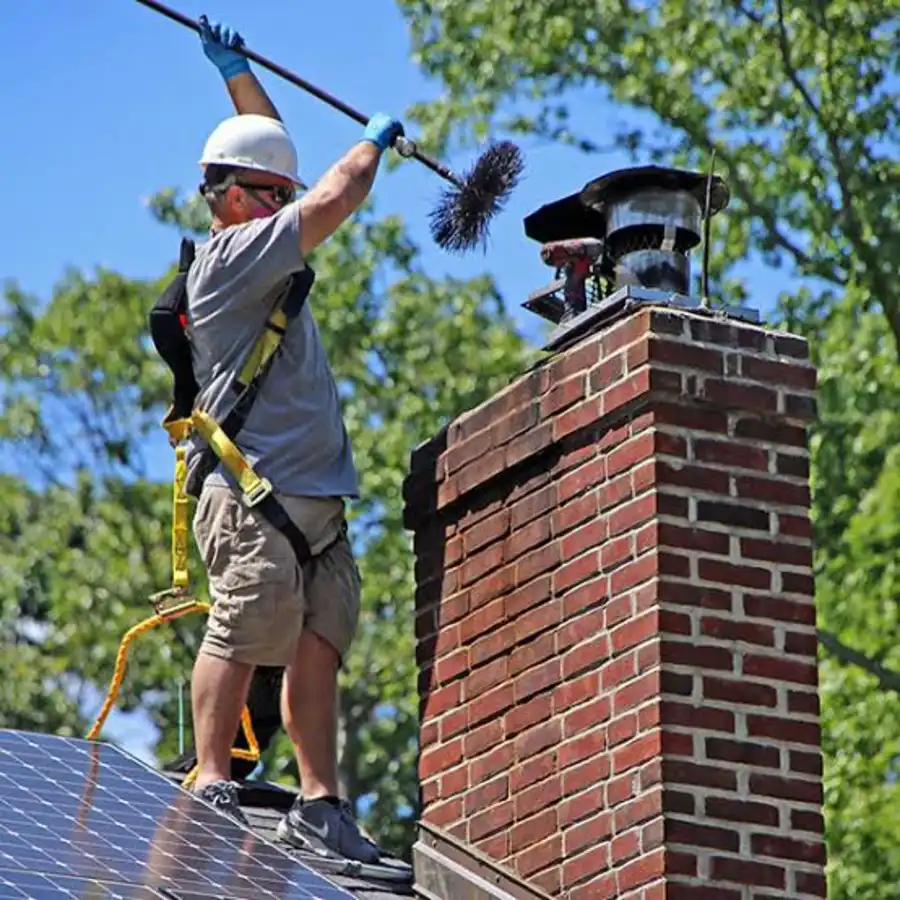
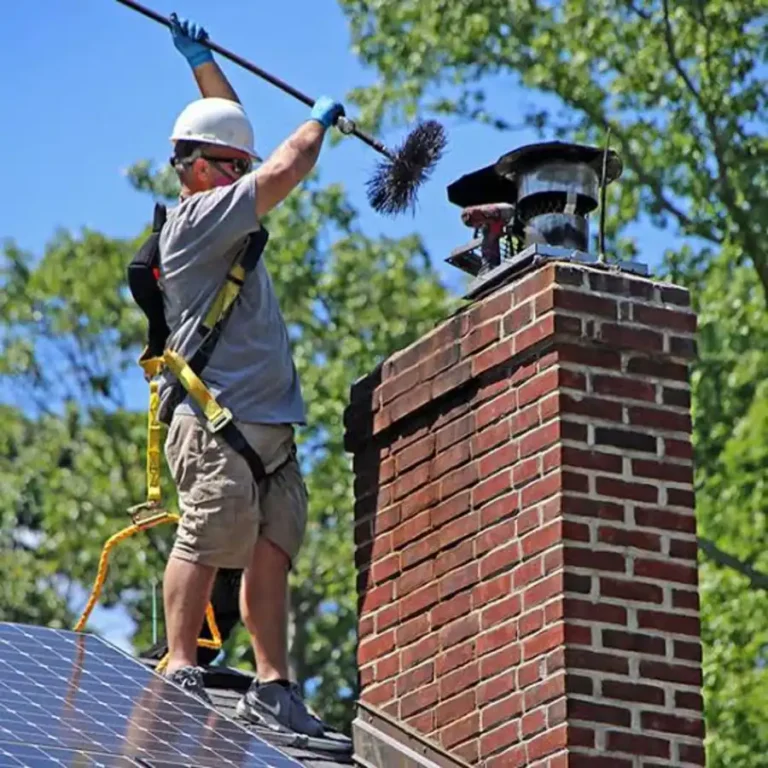
A chimney sweep is a cleaning service. A technician uses brushes and a vacuum system to clear creosote and soot from the flue, smoke chamber, and firebox, then does a basic visual check of what’s accessible from inside. It’s the maintenance step that keeps your chimney safe to use and typically takes 45 minutes to an hour.
What a Chimney Inspection Includes
A chimney inspection is a diagnostic service. It follows the three-tier system defined by NFPA 211:
- Level 1: A visual check of readily accessible portions of the chimney — standard for an annual inspection when nothing has changed
- Level 2: A more thorough inspection including camera scans of the flue — required after a chimney fire, a change of fuel type, property transfer, or storm/roof damage
- Level 3: Removal of components (masonry or siding) to inspect concealed areas — reserved for suspected serious hazards
Why an Inspection Is Sometimes the Better Starting Point
A sweep cleans what’s there; it doesn’t diagnose why a chimney is deteriorating. If you’re buying a home, haven’t used the fireplace in years, noticed smoke or draft problems, or just went through a bad storm, an inspection tells you what’s actually going on before anyone touches a brush. Many companies bundle a Level 1 inspection into every sweep for exactly this reason — it’s a quick check that catches problems a cleaning alone would miss.
Do You Need Both?
For most Springfield homeowners on a normal annual schedule, a sweep with a bundled Level 1 inspection covers it. You need a standalone, more thorough inspection when something has changed — a new house, a chimney fire, storm damage, or a long stretch of disuse. If a company quotes you a sweep and nothing else after you’ve mentioned any of those situations, ask why an inspection isn’t part of the plan.
Chimney Sweep vs Chimney Inspection What’s The Difference: safety notes and next steps
For general fireplace and chimney safety guidance, see the National Fire Protection Association (NFPA). Its safety advice is a useful check alongside a professional inspection, especially if you notice smoke, odours, poor draught, or heavy soot build-up. A professional visit usually checks the flue, cap, and flashing, looks for cracked liners and loose mortar, and removes soot and creosote that can catch fire inside the flue.
If you are planning work, explore our chimney sweep services and our service areas to see the help available in your area. See also our guide 7 Warning Signs You Need a Chimney Sweep for related warning signs.
As a practical rule, a chimney sweep vs chimney inspection what’s the difference check once a year, before the main heating season, is a sensible starting point for many homes, with more frequent cleaning if you burn wood regularly or notice heavy build-up. Between visits, watch for white staining on masonry, rust on the damper or firebox, debris in the flue, and smoke entering the room. If any of those appear, stop using the fireplace and call (740) 726-5789 for advice and a free quote.