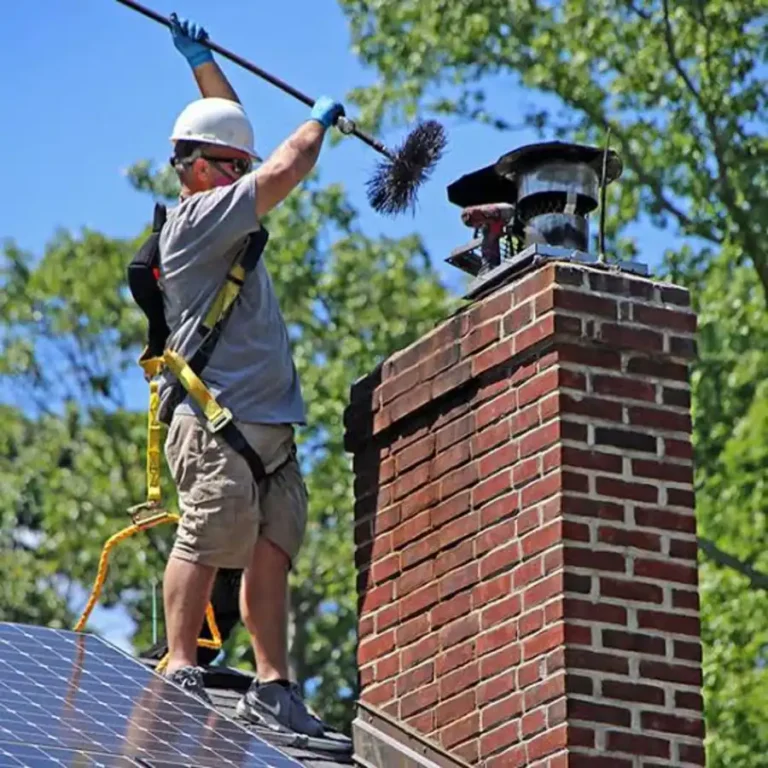
Creosote Buildup Explained: The NFPA 211 1/8-Inch Rule Every Homeowner Should Know
Creosote Buildup Explained The Nfpa 211 is an important topic for any home with a fireplace or wood stove, because a clean, well-inspected flue helps a fire burn safely and draw properly.
Creosote is the byproduct of burning wood — a black or brown residue that coats the inside of your flue every time you light a fire. It’s also the reason chimney fires happen. NFPA 211, the fire code standard that governs chimney safety, sets a clear threshold: once creosote buildup reaches 1/8 inch, it’s time to sweep. Here’s why that number matters and what happens if you ignore it.
The Three Stages of Creosote
Not all creosote looks the same, and the stage it’s in affects how it’s removed.
- Stage 1: Flaky and soot-like, dull black or brown — the easiest to brush away and the normal result of a properly burning fire
- Stage 2: Harder, tar-like, and shiny — sticks to the flue walls and requires more aggressive brushing or chemical treatment
- Stage 3: Glazed creosote — a hardened, glossy coating that forms from slow-burning or restricted-airflow fires and is the most dangerous and difficult to remove
Why 1/8 Inch Is the Trigger Point
Creosote is combustible. At 1/8 inch, there’s enough fuel lining the flue for a stray spark or excess heat to ignite it, and a chimney fire can burn at temperatures high enough to crack flue tiles, warp metal liners, and spread to the surrounding structure. The 1/8-inch mark isn’t an arbitrary number — it’s the point where NFPA 211 says the fire risk stops being theoretical.
What Speeds Up Creosote Buildup
Some burning habits create creosote faster than others:
- Burning unseasoned or wet wood, which smolders instead of burning cleanly
- Restricting airflow by closing the damper too much while a fire is burning
- Slow, low-temperature fires instead of hot, well-ventilated ones
- An oversized flue for the fireplace or insert, which cools smoke before it fully exits
How to Know Where Your Chimney Stands
You can’t reliably measure creosote thickness yourself — it builds unevenly and the most dangerous spots are often out of sight. A Level 1 inspection during your annual sweep is how a technician actually checks against the 1/8-inch standard and tells you whether you’re in safe territory or overdue.
Creosote Buildup Explained The Nfpa 211: safety notes and next steps
For general fireplace and chimney safety guidance, see the National Fire Protection Association (NFPA). Its safety advice is a useful check alongside a professional inspection, especially if you notice smoke, odours, poor draught, or heavy soot build-up. A professional visit usually checks the flue, cap, and flashing, looks for cracked liners and loose mortar, and removes soot and creosote that can catch fire inside the flue.
If you are planning work, explore our chimney sweep services and our service areas to see the help available in your area. See also our guide 7 Warning Signs You Need a Chimney Sweep for related warning signs.
As a practical rule, a creosote buildup explained the nfpa 211 check once a year, before the main heating season, is a sensible starting point for many homes, with more frequent cleaning if you burn wood regularly or notice heavy build-up. Between visits, watch for white staining on masonry, rust on the damper or firebox, debris in the flue, and smoke entering the room. If any of those appear, stop using the fireplace and call (740) 726-5789 for advice and a free quote.
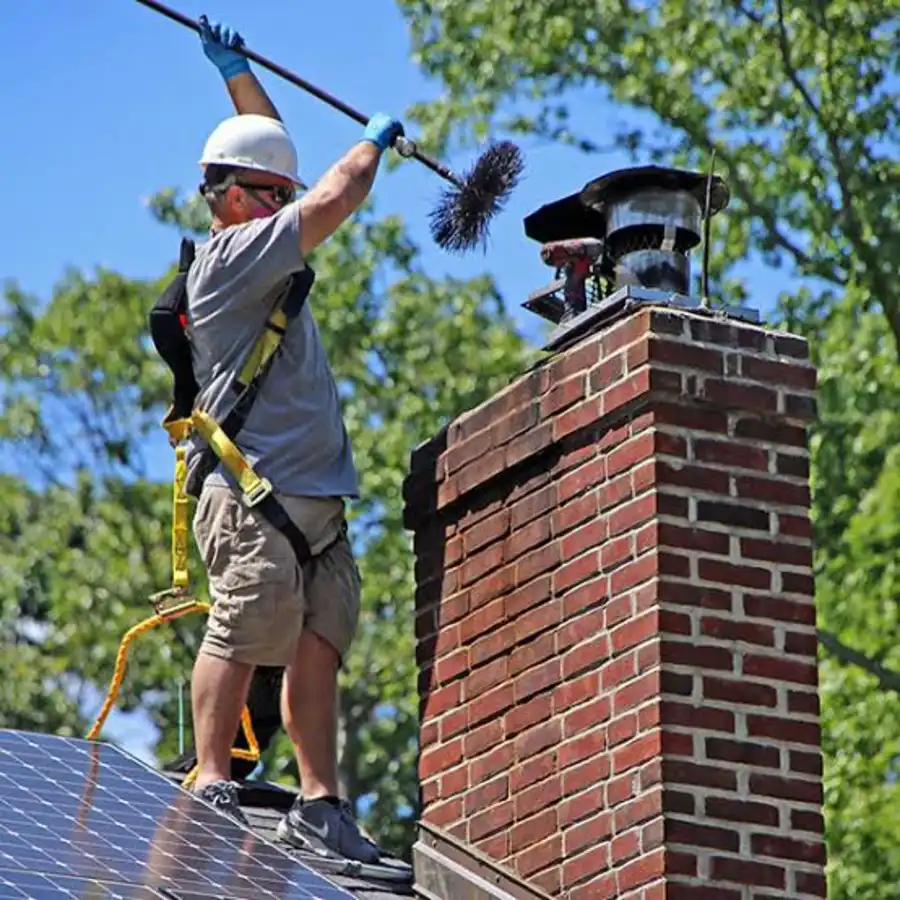
Creosote buildup explained in plain terms means watching for that 1/8-inch threshold and booking a sweep before glazed deposits harden further. If your fires burn slowly, you use unseasoned wood, or you have not had a sweep in the past year, call (740) 726-5789 to arrange an inspection.