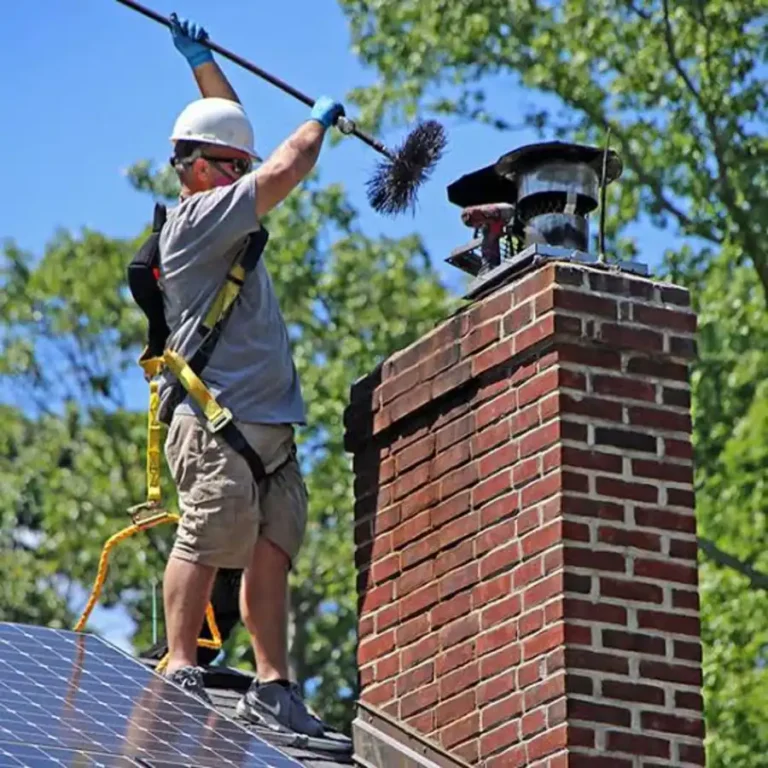
How Often Should You Sweep Your Chimney? NFPA Guidelines Explained
How Often Should You Sweep Your Chimney is an important topic for any home with a fireplace or wood stove, because a clean, well-inspected flue helps a fire burn safely and draw properly.
The National Fire Protection Association (NFPA 211) recommends that chimneys, fireplaces, and vents be inspected at least once a year and swept whenever inspection shows soot or creosote buildup of 1/8 inch or more. For most homeowners who use their fireplace regularly through the winter, that works out to one professional sweep and inspection per year — typically scheduled in late summer or early fall, before heating season starts.
The NFPA 211 Standard, Explained
NFPA 211 is the fire code standard that most chimney sweep companies — including CSIA-certified sweeps — use as their baseline for inspection frequency. It doesn’t set a hard rule of “sweep every year regardless.” Instead, it says an annual inspection is required, and a sweep is required whenever that inspection finds enough buildup to be a hazard. In practice, that means most wood-burning households do end up sweeping annually, because regular use produces enough creosote to cross that threshold within a heating season.
How Often Different Fireplace Types Need Sweeping
- Wood-burning fireplaces and stoves: once a year, typically in late summer or fall
- Gas fireplaces and log sets: once a year for a venting and safety inspection, even though gas burns cleaner and produces far less creosote
- Fireplaces used only occasionally: still at least once a year — infrequent use means moisture and animal nesting are bigger risks than creosote
- Wood stoves used for daily heat: consider a mid-season check if you’re burning several cords through the winter
Signs You Might Need to Sweep Sooner
Regardless of the calendar, get your chimney swept ahead of schedule if you notice any of these:
- A campfire or burnt-wood smell in the room even when there’s no fire lit
- Visible black flaky or tar-like buildup (creosote) inside the firebox
- Smoke backing up into the room instead of drawing up the flue
- A damper or firebox that looks or feels unusually sooty after just a few fires
The Bottom Line for Springfield Homeowners
Between Springfield’s cold winters and the age of housing stock across neighborhoods like the Historic West Side and Washington Park Knolls, an annual sweep and inspection is the safest default for most homes. If it’s been more than a year since your last sweep — or you’ve never had one — that’s the best time to schedule it.
Schedule your sweep and get an honest, photo-documented report on your chimney’s condition.
How Often Should You Sweep Your: safety notes and next steps
For general fireplace and chimney safety guidance, see the National Fire Protection Association (NFPA). Its safety advice is a useful check alongside a professional inspection, especially if you notice smoke, odours, poor draught, or heavy soot build-up. A professional visit usually checks the flue, cap, and flashing, looks for cracked liners and loose mortar, and removes soot and creosote that can catch fire inside the flue.
If you are planning work, explore our chimney sweep services and our service areas to see the help available in your area. See also our guide 7 Warning Signs You Need a Chimney Sweep for related warning signs.
As a practical rule, a how often should you sweep your check once a year, before the main heating season, is a sensible starting point for many homes, with more frequent cleaning if you burn wood regularly or notice heavy build-up. Between visits, watch for white staining on masonry, rust on the damper or firebox, debris in the flue, and smoke entering the room. If any of those appear, stop using the fireplace and call (740) 726-5789 for advice and a free quote.
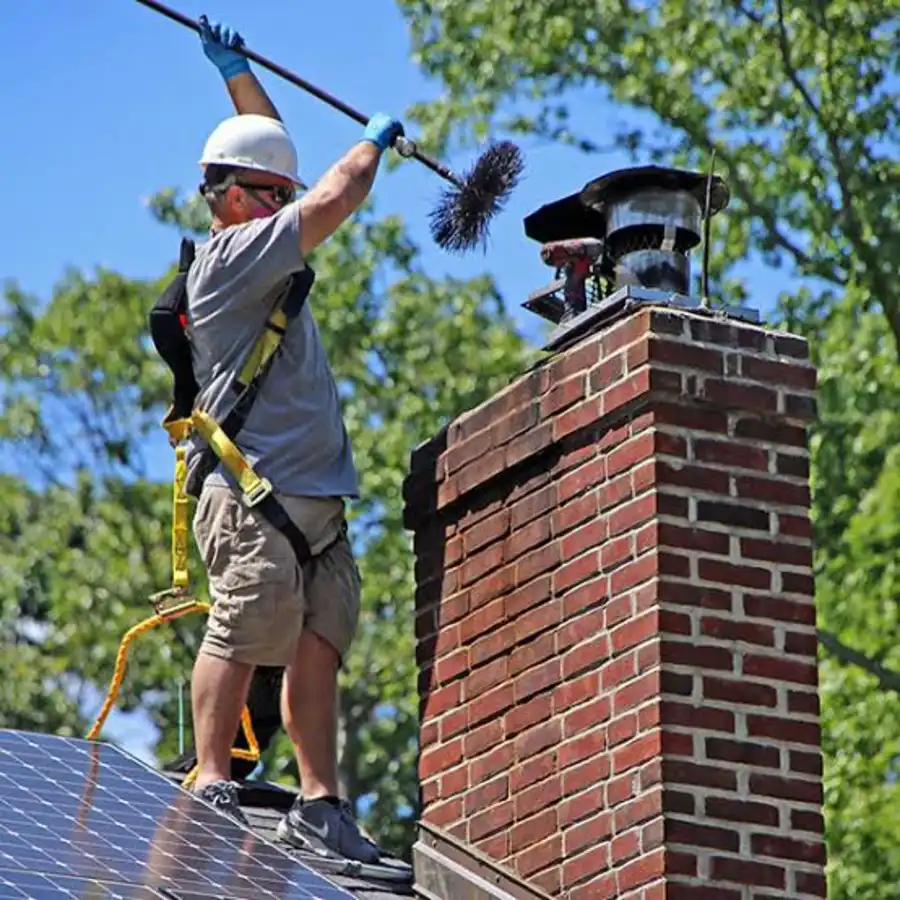
How Often Should You Sweep Your Chimney: safety notes and next steps
A how often should you sweep your chimney check once a year, before the main heating season, is a sensible starting point for many homes, with more frequent cleaning if you burn wood regularly or notice heavy build-up. Between visits, watch for white staining on masonry, rust on the damper or firebox, debris in the flue, and smoke entering the room. If any of those appear, stop using the fireplace and call (740) 726-5789 for advice and a free quote.