
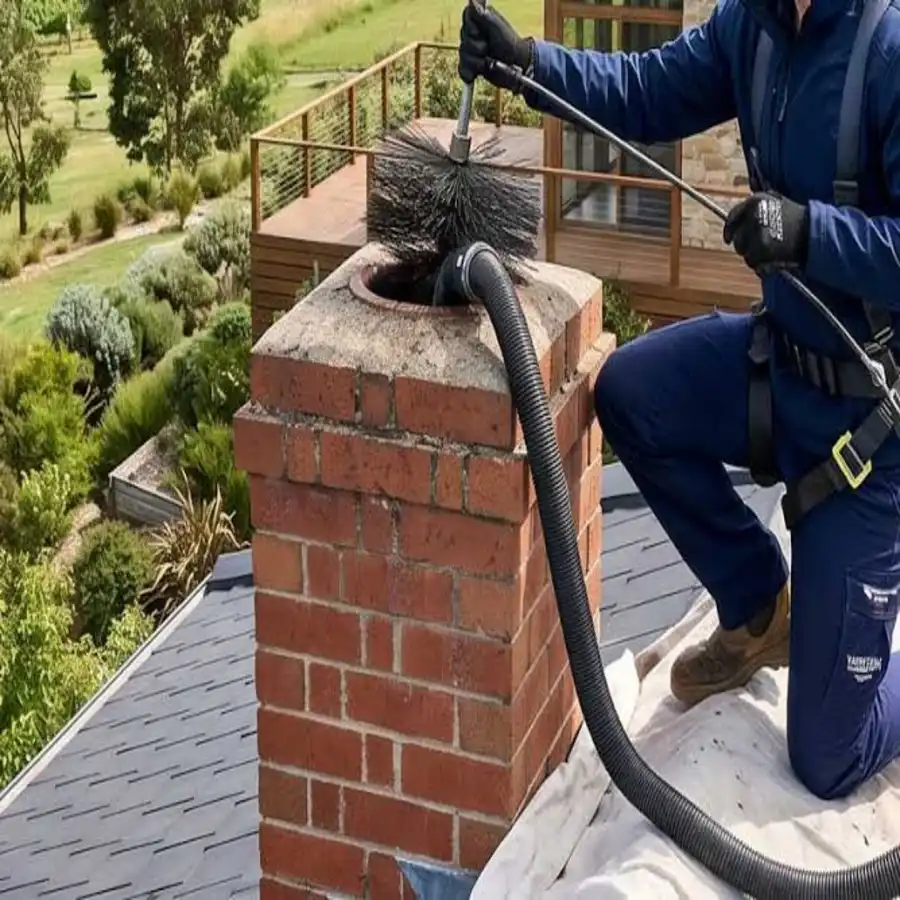
Chimney Leaks: Causes, Signs, and Fixes
A water stain on the ceiling near the fireplace, a damp smell in the living room after rain, or white streaks running down the outside of a chimney are easy to dismiss as minor cosmetic problems. In most homes, however, they are early warnings of chimney leaks, and chimney leaks rarely fix themselves. Water is a chimney’s most persistent enemy: it enters through small cracks, worn flashing, a damaged crown, or a missing cap, then works its way into brick, mortar, and the framing of the house. Left alone, that moisture can stain ceilings and walls, rust metal parts, damage the flue liner, and weaken the structure that holds the chimney up. The good news is that most chimney leaks are preventable and repairable once the true entry point is found, and this guide explains how to spot them, what causes them, and what a proper fix looks like.
What Causes Chimney Leaks?
Chimney leaks usually start at the top of the system or where the chimney meets the roof, because those are the places most exposed to rain, snow, ice, and wind. A cracked or crumbling chimney crown is one of the most common causes. The crown is the concrete slab at the very top of a masonry chimney, and it is supposed to shed water away from the flue and the brick below. When it cracks, water runs straight down into the masonry and can travel inside the chimney for a long time before it shows up indoors. A missing or damaged chimney cap causes a similar problem: without a cap, rain falls directly into the flue, soaks the liner, and can drip into the firebox or onto the damper.
Flashing is another frequent source of trouble. Flashing is the metal seal where the chimney passes through the roof, and it is designed to direct water away from that joint. If flashing was installed poorly, if its sealant has dried out and cracked, or if the metal itself has rusted or lifted in a storm, rain can run down the side of the chimney and into the attic or ceiling below. Homeowners often mistake this for a roof leak, because the stain appears some distance from the chimney itself, as water follows rafters and drywall before it becomes visible. Deteriorating mortar joints, known as spalling brick and crumbling mortar, also let water in. Brick is porous by nature, and once the mortar that holds it together weakens, each freeze and thaw cycle forces more water into the wall and widens the cracks.
Other causes are less obvious but just as important. A chimney that is too short, a flue liner with cracks, or condensation inside an oversized flue can all create dampness that looks like a leak from outside. Gas appliances are a particular source of condensation, because their exhaust contains a great deal of water vapor, and if that vapor cools and condenses inside a cold flue, it can drip back down and stain the chimney from the inside. That is why a correct diagnosis matters more than a quick patch: sealing the outside will not help if the moisture is actually coming from condensation inside the flue, and replacing a cap will not help if the flashing is the real entry point.
Signs of a Leaking Chimney to Watch For
The earliest signs of a leaking chimney are often subtle. Look for water stains on the ceiling or wall near the fireplace, peeling paint or wallpaper in that area, and a musty or damp smell that appears after rain. Inside the firebox, rust on the damper or firebox doors, damp soot, or a white, chalky deposit called efflorescence on the brick are all clues that water is getting in. Outside, check for white staining on the brickwork, green algae or moss growth, cracked or missing mortar, bricks that are flaking or spalling, and rust streaks running down from the flashing or cap. In the attic, look for damp insulation, stained wood, or daylight around the chimney where flashing has pulled away.
Some signs show up only in certain weather. A leak that appears only during wind-driven rain often points to flashing or a cap problem, while dampness that worsens in winter may point to freeze-thaw damage or condensation. If you notice water in the fireplace itself after a storm, do not light a fire until the system has been checked, because wet soot and a damp flue can affect draft and make it harder for smoke to vent properly. Take photos of any stains and note the date and weather when they appear; that record helps a chimney professional trace the leak much faster, because the pattern often reveals the source.
How to Find the Source of a Chimney Leak
Finding the source of a chimney leak takes a careful, top-to-bottom inspection, and it is safer to have a professional do the roof and chimney-top parts of it. A thorough inspection starts at the crown and cap, checking for cracks, gaps, and rust, then moves to the flashing, the mortar joints, and the brickwork, and finally to the inside of the flue and the attic around the chimney. A camera inspection of the flue can reveal cracked liner tiles or internal staining that cannot be seen from the firebox. This step matters because chimney leaks are notorious for appearing far from their origin: water can enter at the crown, travel down inside the brick, and emerge as a stain on a ceiling several feet away.
Homeowners can safely help by checking what is visible from the ground with binoculars and by looking in the attic and around the fireplace for dampness, but climbing onto a roof to test flashing or seal a crown is risky and can make the damage worse if the wrong material is used. A professional chimney inspection is the right next step when a leak is suspected, and it pairs naturally with learning the difference between an inspection and a cleaning, since a cleaning alone does not diagnose a leak. The National Fire Protection Association also publishes safety guidance for chimneys and fireplaces through the National Fire Protection Association (NFPA), which is a useful reference for why regular inspections matter.
Chimney Leak Fixes That Actually Last
The right fix depends entirely on the cause, and that is why a one-size-fits-all sealant rarely lasts. A cracked crown usually needs to be repaired or rebuilt with a proper concrete mix and a drip edge that throws water clear of the brick, rather than simply smeared with caulk. A missing or rusted cap should be replaced with a correctly sized, durable cap that keeps rain and animals out while still allowing smoke and gases to vent freely. Damaged flashing is best repaired or replaced by someone experienced with both roofing and chimneys, because the new flashing must be stepped into the brickwork and sealed so that water runs over it, not behind it. For deteriorating mortar, repointing, which means removing the damaged mortar and replacing it with fresh mortar, restores the weather seal of the wall.
In some cases, a breathable masonry water repellent can help protect brickwork after repairs are complete. This is not the same as painting the chimney with a waterproof coating that traps moisture inside, which can actually accelerate damage. A breathable repellent allows trapped vapor to escape while shedding liquid water from the surface, and it should only be applied to a chimney that is already in sound condition. If the flue liner is cracked, relining may be needed, and if condensation is the culprit, the solution may involve correcting the venting or liner size for the appliance. For structural damage, such as leaning brickwork or extensive spalling, masonry chimney repair should be assessed before the next heating season, because winter freeze-thaw cycles will make the damage worse.
Preventing Future Chimney Leaks
Prevention is far cheaper than repair. Keep the cap in place and in good condition, have the crown and flashing checked as part of an annual inspection, and repair small mortar cracks before they grow. Keep gutters clear so water does not overflow onto the chimney, and trim overhanging branches that drop debris onto the roof and chimney top. After a severe storm, take a quick look from the ground for displaced flashing, a tilted cap, or debris blocking the flue opening. Homeowners who use their fireplace regularly should also stay alert to warning signs that a chimney needs attention, since many leak symptoms overlap with other chimney problems.
Finally, do not wait for a stain to grow. A small, damp patch in autumn can become a rotted ceiling, a rusted damper, or a cracked flue liner by spring, and water damage spreads quickly once it reaches wood framing and insulation. If you suspect a leak, book an inspection, ask the technician to explain the source in plain language and to show you photos of what they found, and get the repair in writing with the cause, the materials, and any warranty. That approach protects your home, your fireplace, and your budget, and it keeps a small leak from becoming a major repair.
Get Help With a Chimney Leak
If you have seen stains, dampness, or a musty smell near your fireplace, Chimney Sweep Spot can inspect your chimney, find the source of the leak, and explain the repair options clearly before any work begins. Call (740) 726-5789 today to schedule a chimney inspection and stop the leak before it causes more damage to your home.
Chimney Leaks: Key Takeaways for Homeowners
To sum up, chimney leaks are common, but they are also manageable when they are caught early. Most chimney leaks start at the crown, cap, or flashing, and most chimney leaks show themselves through stains, smells, or damaged mortar before they cause serious harm. If you remember one rule, let it be this: chimney leaks should be inspected, not ignored, because chimney leaks only grow worse through winter freeze and thaw. A prompt inspection, a repair matched to the real cause, and an annual check are the simplest ways to keep chimney leaks from returning.
2 Comments