Masonry Chimney Repair: What Homeowners Should Expect
A leaning chimney, crumbling mortar, or a crack running down the brickwork can be unsettling, and it is natural to wonder how serious the problem is and what the repair will involve. Masonry chimney repair covers a wide range of work, from repointing a few joints to rebuilding the top courses of a chimney, and the scope, cost, and disruption depend on the type and extent of the damage. This guide explains what homeowners should expect from masonry chimney repair, including how damage is assessed, what the common repairs involve, how long the work usually takes, and how to choose a contractor you can trust.
What Masonry Chimney Repair Usually Involves
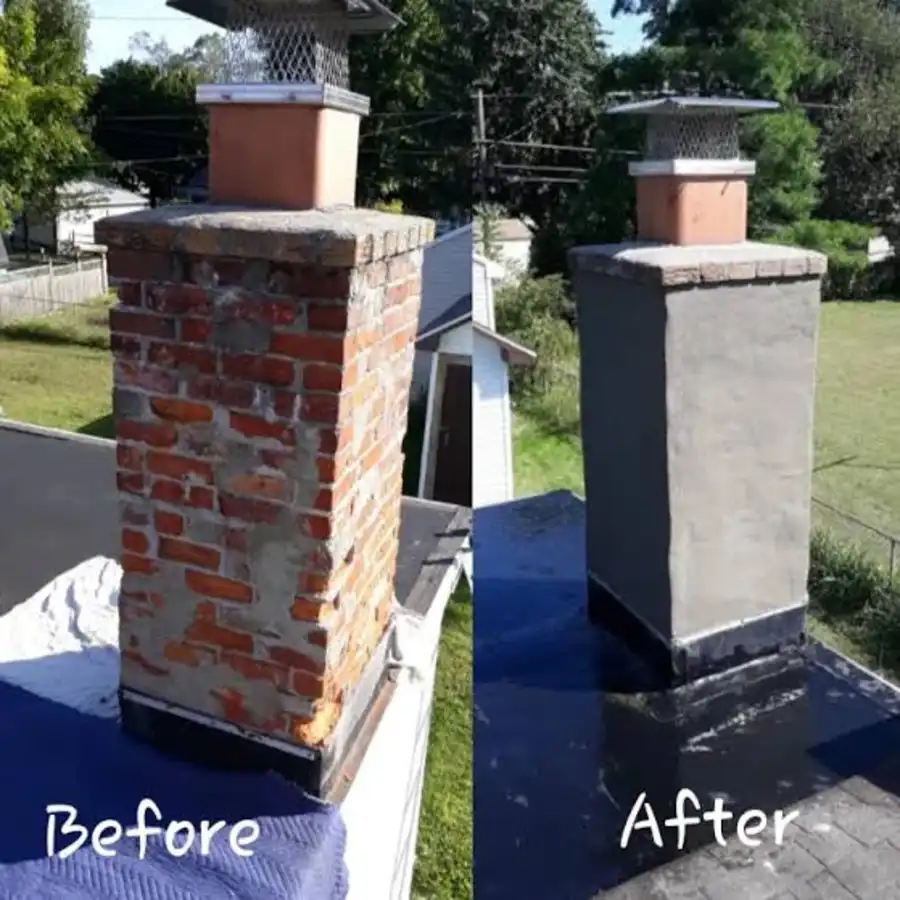
Masonry chimney repair is the work of restoring brick, stone, mortar, and concrete parts of a chimney so that the structure is sound, weather-tight, and safe to use. The most common repair is repointing, also called tuckpointing, in which deteriorated mortar is carefully removed to a suitable depth and replaced with new mortar matched in strength and color. Repointing is needed when mortar joints are cracked, missing, or soft, and it is one of the most effective ways to stop water entering the wall. When individual bricks are cracked, spalled, or loose, those bricks are removed and replaced with matching units, and the surrounding joints are repointed.
More extensive masonry chimney repair may involve rebuilding the crown, which is the concrete slab at the top of the chimney, or rebuilding the upper courses of brick where freeze-thaw damage has weakened the wall. In severe cases, where a chimney is leaning, badly cracked, or structurally unstable, a partial or full rebuild may be recommended. A rebuild sounds drastic, but it is sometimes the safest and most economical long-term option when the existing masonry has lost its strength. A chimney professional should explain why a smaller repair would or would not be sufficient, and should show you photos of the damage so you can understand the recommendation.
How Damage Is Assessed Before Masonry Chimney Repair
Before any masonry chimney repair begins, the chimney should be inspected from the ground, from the roof where it is safe to do so, and from inside the flue. The technician will look for cracked or spalling brick, deteriorated mortar, a cracked or missing crown, damaged flashing, a leaning stack, and signs of water entry such as staining or efflorescence. A camera inspection of the flue can reveal cracked liner tiles or internal damage that is not visible from outside. That assessment matters because masonry damage and flue damage often occur together: water that enters through a cracked crown or failed flashing can damage both the brickwork and the liner, and chimney leaks are a common early sign that masonry repair may be needed.
A good assessment also considers the cause, not just the symptom. If mortar is failing because water is running off a damaged crown, repointing alone will not last unless the crown is also repaired. If flashing has failed, masonry repair should be coordinated with flashing repair, so that water is directed away from the newly repaired wall. Homeowners should expect a written report with photos, a clear description of the damage, and a repair scope that separates urgent safety work from cosmetic work that can wait. That clarity helps you compare quotes fairly, because two quotes for masonry chimney repair may cover very different scopes if one includes the crown and flashing and the other does not.
What to Expect During the Work
Most masonry chimney repair is carried out from the roof and from scaffolding or a roof ladder, and homeowners should expect some noise, dust, and disruption to the area around the chimney, though a tidy contractor will protect the roof, gutters, and landscaping as much as possible. Repointing and small brick replacements are often completed in a day, while crown rebuilding or a partial rebuild may take several days, depending on the weather and the size of the chimney. Mortar and concrete need time to cure, and rain or freezing temperatures can delay the work, because new mortar should not be laid in very cold or wet conditions. Your contractor should explain the expected timetable, the weather limits, and what will happen if the work cannot be completed in one visit.
During the work, you should not use the fireplace unless the contractor confirms it is safe to do so, particularly if the flue liner or crown is being worked on. After the work, the contractor should clean up debris, show you the completed repair, and explain any maintenance that will help it last, such as keeping the cap in place, checking the crown annually, and having the chimney inspected each year. For related chimney-top work, it helps to understand the difference between a chimney cap and a chimney crown, because crown repair is often part of masonry chimney repair, while cap replacement is a separate, smaller job. If your chimney also needs a new cap, that work can often be done at the same time.
Costs, Quotes, and Choosing a Contractor
The cost of masonry chimney repair varies widely with the scope, the height and accessibility of the chimney, the materials needed, and the local labor market, so a single average price is not very useful. Small repointing jobs are generally far less expensive than a partial rebuild, and a rebuild is less expensive than a full rebuild, but the only reliable price is a written, itemized quote for your chimney after an inspection. Be cautious about quotes given without an inspection, about prices that are far below every other quote, and about pressure to sign immediately. Our chimney sweep cost guide explains how to sense-check chimney prices generally, and the same principle applies here: compare scope, materials, and warranty, not just the bottom line.
When choosing a contractor for masonry chimney repair, look for experience specifically with chimneys, not just general masonry, because chimney masonry has special requirements for heat resistance, water shedding, and flue clearances. Ask for references, photos of previous chimney work, proof of insurance, and a written scope that names the materials, the mortar mix, and any warranty on workmanship. The National Fire Protection Association publishes chimney and fireplace safety guidance through the National Fire Protection Association (NFPA), and a reputable contractor should be able to explain how its work aligns with recognized safety practices. If a contractor recommends a full rebuild, get a second opinion before committing, and ask what a partial repair would and would not achieve.
Masonry Chimney Repair: Aftercare and Prevention
After masonry chimney repair, the best way to protect your investment is regular maintenance. Have the chimney inspected annually, keep the cap and crown in good condition, repair small mortar cracks promptly, and keep gutters clear so water does not overflow onto the chimney. A breathable masonry water repellent may be suggested after repairs are complete, but it should not be used as a substitute for sound masonry, and it should allow vapor to escape rather than trapping moisture inside the wall. Watch for warning signs that a chimney needs attention, such as new cracks, white staining, or dampness near the fireplace, and address them early, because small masonry problems are far cheaper to fix than a rebuild.
In summary, masonry chimney repair ranges from straightforward repointing to a full rebuild, and the right repair depends on a careful assessment of the damage and its cause. Expect a written report with photos, a clear scope and price, a realistic timetable that allows for weather, and a contractor who explains the work in plain language. With that approach, masonry chimney repair should leave your chimney stronger, drier, and safer, and should give you many more years of service from your fireplace. For professional assessment, Chimney Sweep Spot’s masonry repair service and a professional chimney inspection are good starting points.
Get a Masonry Chimney Assessment
If you have noticed cracked mortar, spalling brick, a leaning chimney, or dampness near your fireplace, Chimney Sweep Spot can assess the masonry, explain the repair options, and provide a written quote before any work begins. Call (740) 726-5789 today to schedule a chimney inspection and find out what your chimney needs.