Chimney Fires: How They Start and How to Prevent Them
Most chimney fires are not dramatic events that start with a visible flame in the living room. They often begin quietly, inside the flue, where a buildup of creosote ignites and burns at very high temperatures, sometimes with a loud roaring sound, sometimes with almost no outward sign at all. Understanding chimney fires, how they start, and how to prevent them is therefore essential for any household that burns wood, because chimney fires can damage the flue liner, crack masonry, spread to the roof or framing, and put everyone in the home at risk. The reassuring news is that chimney fires are largely preventable with regular cleaning, correct burning habits, and prompt attention to warning signs.
How Chimney Fires Start
Chimney fires start when deposits inside the flue catch fire. When wood burns, it releases smoke, gases, and unburned particles that rise up the chimney. If the fire is cool, the wood is wet, or the flue is oversized and cools the smoke too quickly, those particles condense on the inside of the flue as creosote, a dark, tar-like substance that is highly flammable. Creosote builds up in layers, and the thicker and more glazed it becomes, the easier it is to ignite and the hotter it burns. A single hot fire, a spark, or a sudden increase in flue temperature can then ignite that layer, and once it is burning, it can reach temperatures far above what a normal fire produces, which is why chimney fires are so damaging to liners and masonry.
Several habits increase creosote buildup and therefore the risk of chimney fires. Burning wet or unseasoned wood is the most common, because wet wood burns cooler and produces more smoke and creosote. Restricting airflow by closing the damper or air controls too far also cools the fire and increases deposits, as does burning treated wood, painted wood, or household trash, which should never be burned in a fireplace or stove. An oversized flue for a small stove, a flue that is already partially blocked, or a chimney that has not been cleaned for years all add to the risk. Our guide to what causes creosote buildup explains this process in more detail, and it is worth reading alongside this article.
Signs That a Chimney Fire May Have Happened
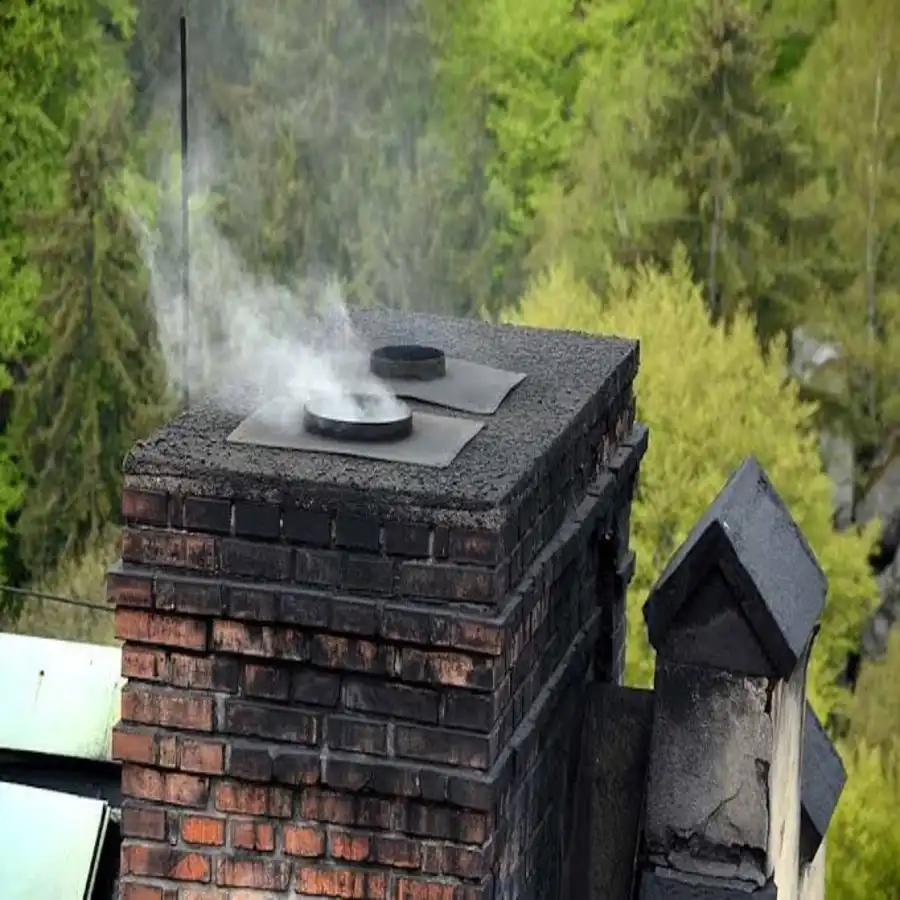
Some chimney fires are obvious: a loud roaring noise like a freight train, dense smoke, sparks or flames from the chimney top, and a strong, hot smell in the house. Others, however, are slow-burning chimney fires that cause damage without dramatic symptoms. After a suspected chimney fire, look for warped or discolored metal parts, such as a damaged damper or rain cap, cracked flue tiles, puffy or honeycombed creosote, and heat damage to the roof around the chimney. Inside, you may notice a strong burnt smell, smoke stains, or a change in how the fireplace drafts. Even if the fire appears to have gone out on its own, do not assume the chimney is safe: slow chimney fires can damage the liner in ways that are invisible from the firebox and that make the next fire more likely to spread.
If you think a chimney fire is happening, act quickly and safely. Get everyone out of the house, close the fireplace doors and damper if you can do so safely, and call the local fire department, even if the flames seem to have stopped. Do not try to put water down the chimney yourself, and do not use the fireplace again until it has been inspected. A professional chimney inspection, including a camera scan of the flue, is needed after any suspected chimney fire to check for cracked liners, damaged masonry, and compromised clearances to combustible framing. That inspection is not optional: a damaged chimney can allow heat and gases to reach wood framing that would otherwise be protected.
How to Prevent Chimney Fires
Preventing chimney fires starts with burning the right fuel correctly. Burn only dry, seasoned hardwood that has been split and stored under cover for at least six months, and avoid burning wet wood, treated lumber, painted wood, cardboard, or trash. Build hot, clean fires with good airflow, rather than slow, smoldering fires that produce heavy smoke, and do not overload the firebox. Keep the damper fully open while a fire is burning, and make sure the room has enough air supply, especially in tightly sealed modern homes. These habits alone greatly reduce creosote formation and therefore the fuel for chimney fires.
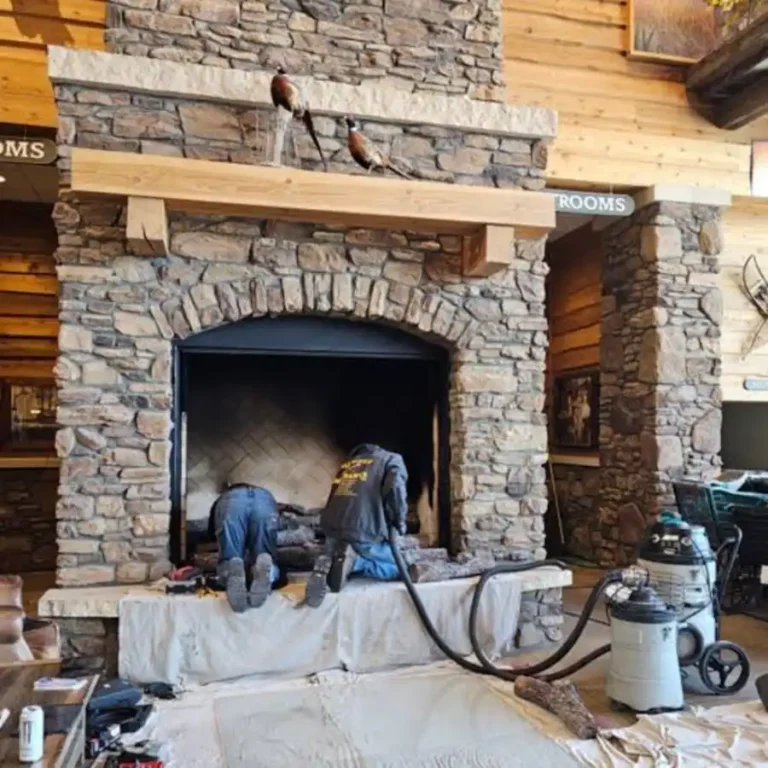
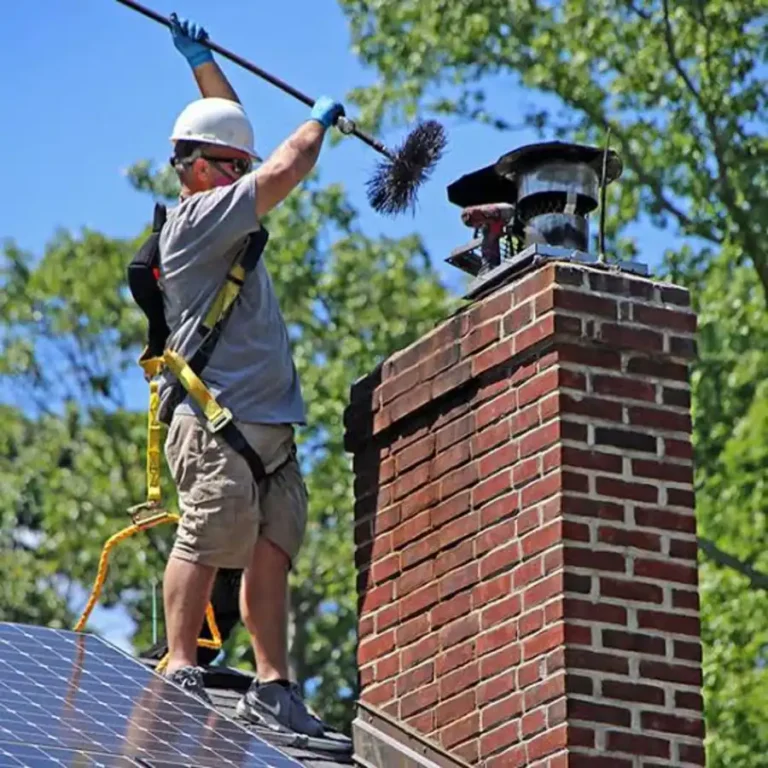
Regular cleaning and inspection are the second pillar of prevention. Most wood-burning systems should be inspected at least once a year, and cleaned when creosote reaches about an eighth of an inch thick, or sooner if a technician advises it. How often cleaning is needed depends on how much you burn and what you burn, as explained in our guide to how often to get your chimney swept. A clean flue not only removes the fuel for chimney fires, it also allows the technician to spot cracked tiles, damaged mortar, or a blocked cap before those problems cause a fire. If you use your fireplace only occasionally, an annual check is still wise, because animals, nests, and debris can block a flue even when creosote has not built up.
Other prevention steps are simple but important. Install smoke alarms and carbon monoxide alarms on every level of the home and test them regularly. Keep furniture, rugs, and firewood away from the fireplace opening, use a sturdy screen or glass doors, and never leave a fire unattended or let children play near it. Have a spark arrestor cap fitted if your cap does not already include one, and keep the roof and gutters clear of leaves and debris that could catch from escaping embers. The Chimney Safety Institute of America provides homeowner guidance on safe chimney use through the Chimney Safety Institute of America (CSIA), and following recognized safety practices is a good complement to professional service.
Chimney Fires and Different Appliances
Chimney fires are most often associated with wood stoves and open fireplaces, but any solid-fuel appliance can produce creosote, and gas appliances bring their own risks, such as condensation and blocked venting, even though they do not produce creosote in the same way. Pellet stoves, while generally cleaner burning, still need regular cleaning of their venting and ash removal. If you switch appliances, change fuels, or move into a home with a fireplace you have not used before, have the chimney inspected first, because the flue size, liner condition, and clearances that were safe for one appliance may not be safe for another. That check is especially important after a home purchase or a renovation that changes how the chimney is used.
Finally, keep a record of inspections, cleanings, and any repairs, and watch for warning signs that a chimney needs attention, such as smoke entering the room, a strong odor, white staining on the outside brick, or animals in the flue. Those signs do not always mean a chimney fire is imminent, but they do mean the system needs a professional look. If you need help, Chimney Sweep Spot’s chimney services include sweeping and inspection, and learning the difference between a sweep and an inspection will help you book the right visit.
Chimney Fires: Key Takeaways
In short, chimney fires start when creosote inside the flue ignites, they are fed by wet wood, cool fires, and neglected cleaning, and they can cause serious hidden damage even when they burn out quietly. The best protection against chimney fires is a combination of dry wood, hot clean fires, annual inspection and cleaning, working alarms, and prompt action if you ever suspect chimney fires have occurred. Take chimney fires seriously, keep up the maintenance, and your fireplace can remain a safe and enjoyable part of your home for years.
Get Your Chimney Checked for Fire Safety
If you are unsure when your chimney was last cleaned, or if you have noticed smoke, smells, or unusual noises from your fireplace, Chimney Sweep Spot can inspect your flue, remove creosote buildup, and advise you on safe burning. Call (740) 726-5789 today to schedule a chimney inspection and reduce the risk of a chimney fire in your home.